






























Office Booth Pod: A Practical Guide for Modern Offices
Modern workplaces are changing. Open-plan offices encourage collaboration, but they can also create distractions from phone calls, video meetings, conversations, and everyday office activity. For companies looking to create private workspaces without building permanent rooms, an office booth pod can provide a practical alternative.
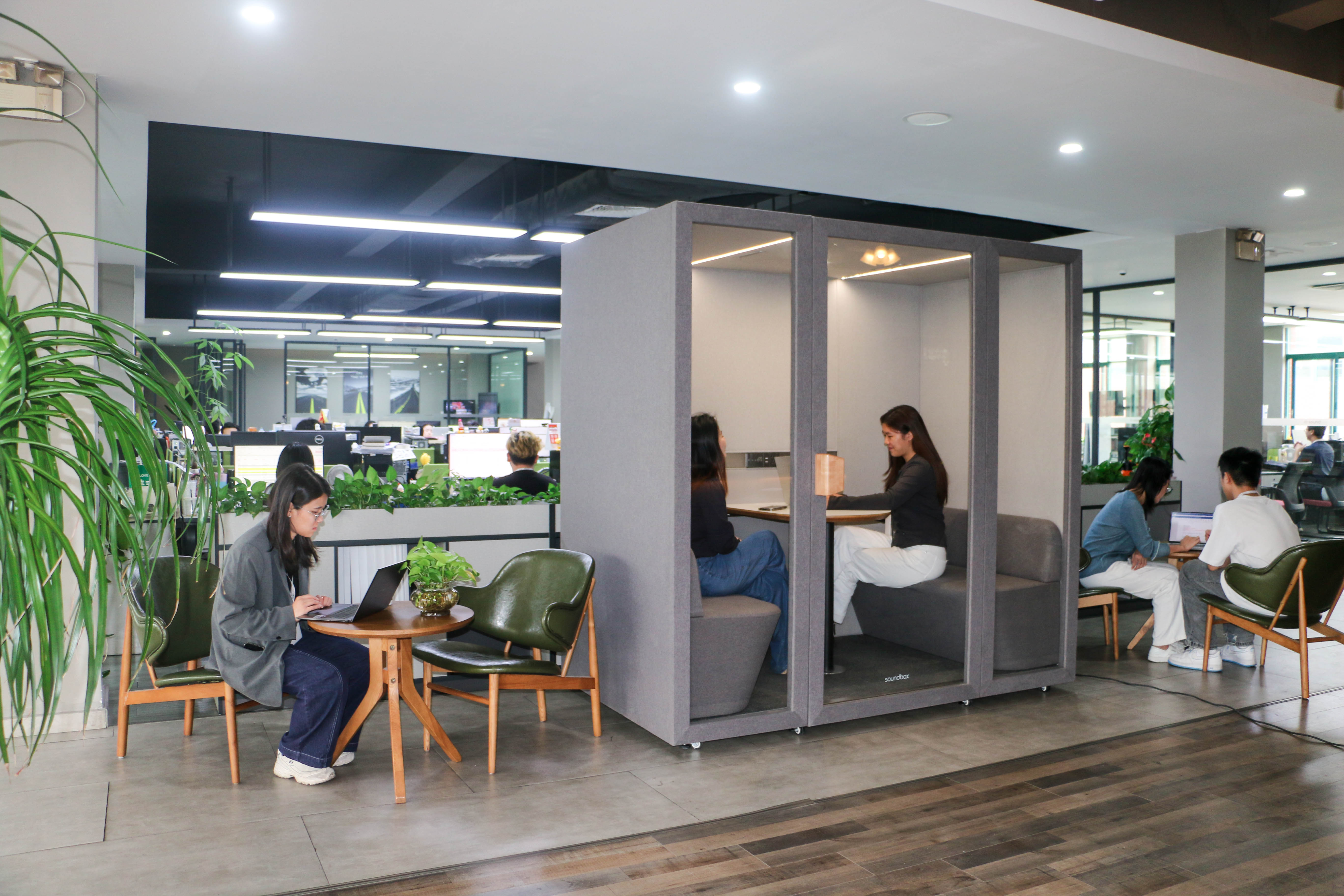
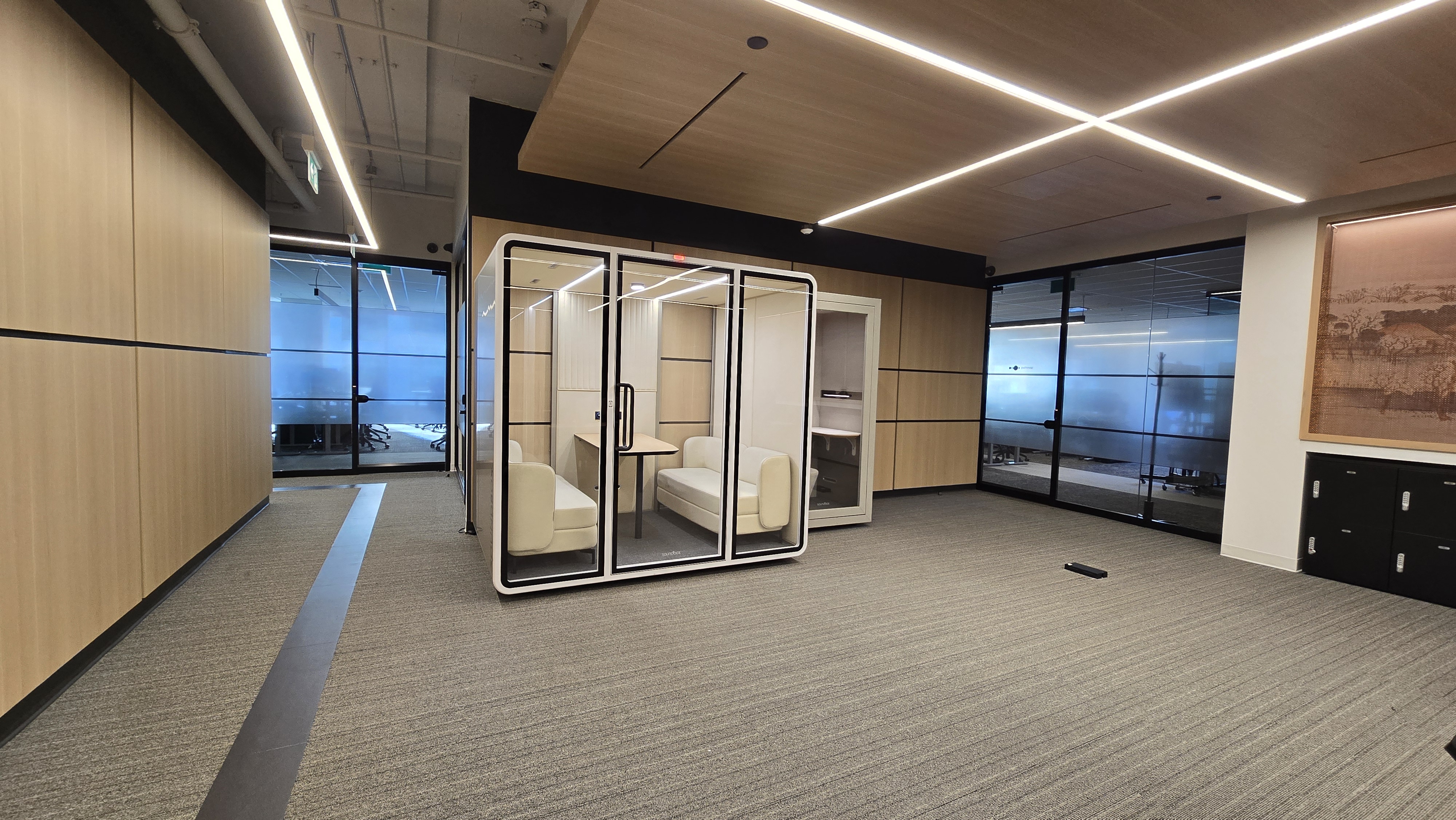
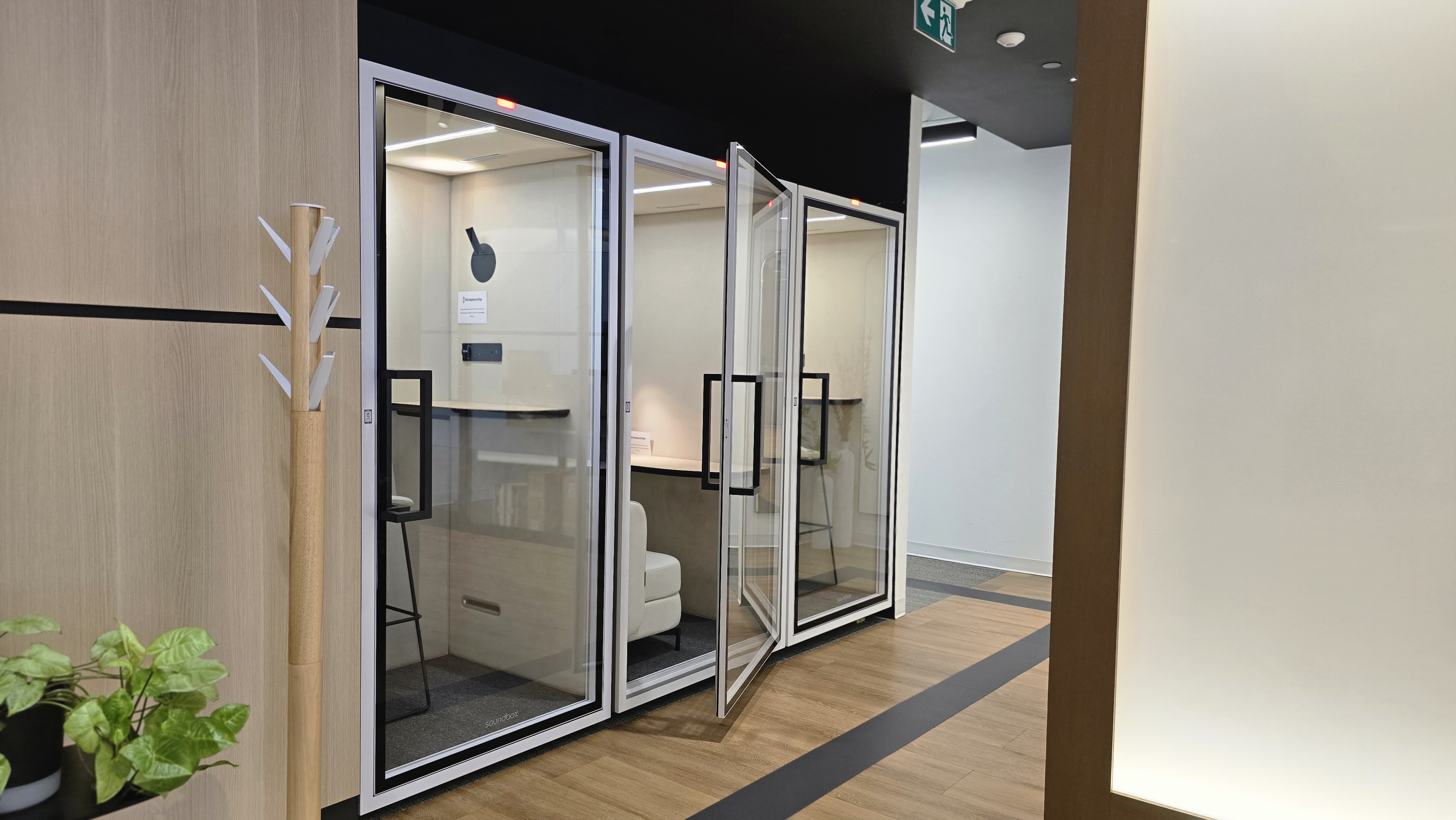
An office booth pod is an enclosed workspace designed to create a more private and comfortable environment inside a larger office. Depending on its size and configuration, it can be used for phone calls, video conferences, focused work, interviews, one-on-one meetings, or small team discussions.
For businesses considering work pods for office environments, the key question is not simply whether a pod looks good. The important questions are how it performs, how much space it requires, how easily it can be installed, and whether it fits the way employees actually work.
What Is an Office Booth Pod?
An office booth pod is a partially or fully enclosed workspace placed inside an existing office. Unlike a traditional meeting room, it does not normally require permanent walls, extensive construction, or a major change to the building layout.
The interior typically combines acoustic panels, sound-insulated surfaces, glass, ventilation, lighting, and power outlets to create a functional private space.
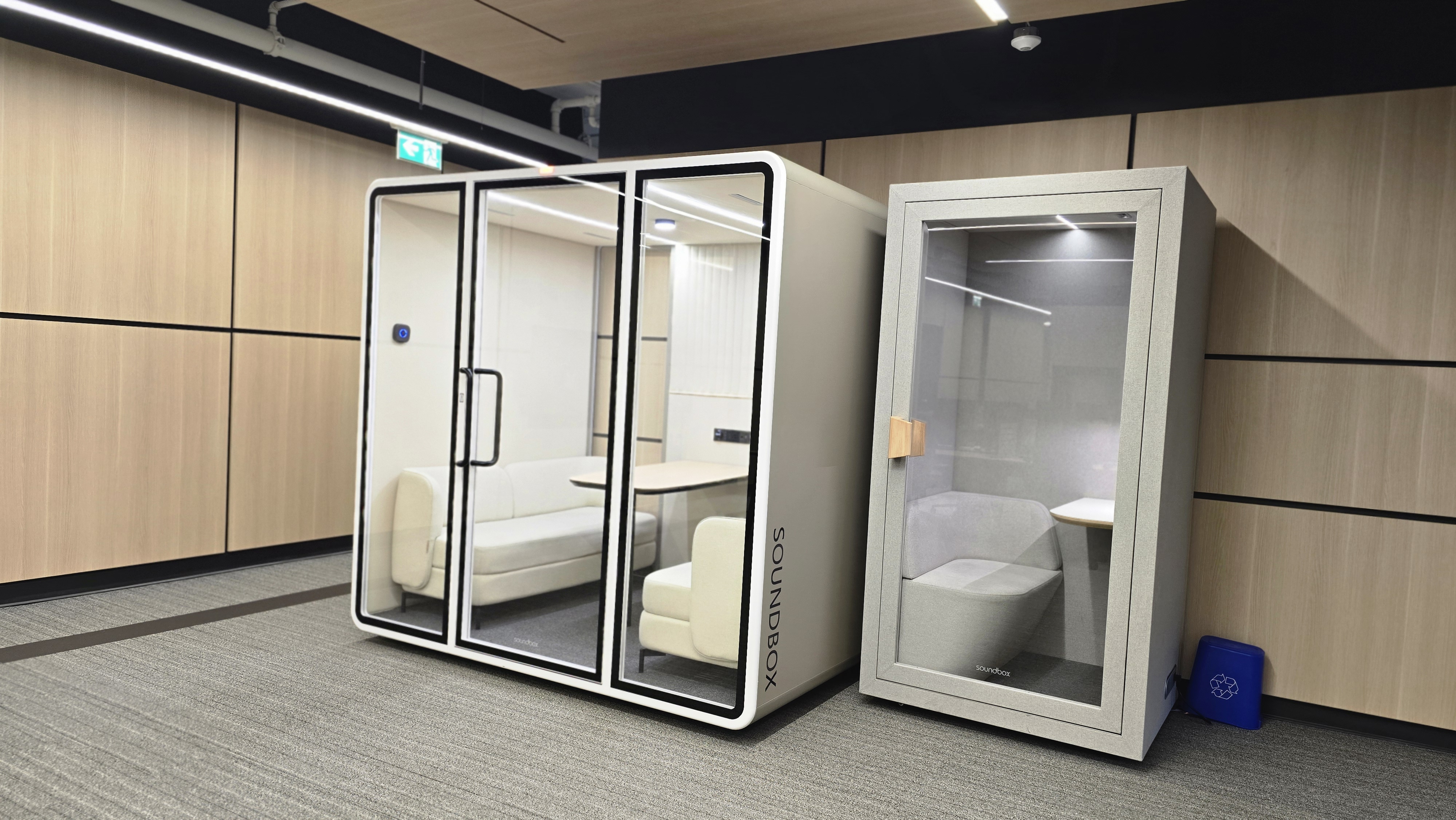
Different configurations serve different purposes. A compact single-person booth may be designed primarily for phone calls and video meetings, while a larger pod can provide space for focused work, interviews, or small meetings.
This flexibility makes pod office space particularly useful in modern workplaces where companies need more private areas without sacrificing valuable floor space.
Why Are Work Pods for Office Environments Becoming Popular?
One of the biggest challenges of an open-plan office is balancing collaboration with concentration.
Employees may need to switch between different activities throughout the day. One moment they may be working at their desk, and the next they may need to join a video call, speak with a client, conduct an interview, or discuss confidential information.
A traditional conference room may be too large or unavailable for these short activities.
Work pods for office environments provide an additional layer of flexibility. Instead of reserving an entire meeting room for a single phone call, employees can use a dedicated enclosed space when privacy or concentration is required.
Common applications include:
- Private phone calls
- Video conferences
- Online interviews
- Focused individual work
- Client conversations
- One-on-one meetings
- Small team discussions
- Confidential conversations
The result is a workplace that can provide different types of spaces for different activities.
Office Booth Pod vs. Traditional Meeting Rooms
A traditional meeting room is still useful for larger teams and longer meetings. However, it is not always the most efficient solution for every task.
An office booth pod can occupy a much smaller footprint while providing a dedicated environment for individual or small-group activities.
For example, an employee who needs 20 minutes of uninterrupted time for a video call may not need an entire conference room. A phone booth or single-person work pod can provide the privacy needed without taking a large meeting space away from the rest of the team.
Another important difference is flexibility.
Traditional rooms generally require permanent construction. Office pods can often be installed within an existing office and, depending on their design, relocated when the workspace changes.
This makes work pods office solutions particularly attractive to companies operating flexible, hybrid, or frequently changing workplaces.
What Features Should You Look for in an Office Pod?
Not every office pod is designed in the same way. When comparing products, businesses should look beyond appearance and evaluate the features that affect everyday usability.
1. Acoustic Performance
Acoustic performance is one of the most important considerations.
A good pod should help reduce distracting external noise while also controlling sound inside the enclosure. Acoustic panels and sound-insulated construction can help create a more comfortable environment for calls and focused work.
However, buyers should be careful with the word “soundproof.” An office pod is generally designed for sound reduction and acoustic privacy rather than creating absolute silence.
2. Ventilation
A private enclosed space must still remain comfortable when occupied.
Integrated mechanical ventilation helps circulate fresh air inside the pod. This is particularly important when employees use the space for extended work sessions or consecutive meetings.
3. Lighting
Good lighting is essential for both productivity and video calls.
Integrated LED lighting can provide consistent illumination without requiring additional floor lamps or complex electrical installation.
4. Power and Connectivity
Modern work depends on laptops, monitors, phones, and other electronic devices.
Useful work pods for office should provide convenient access to power outlets and USB charging, allowing employees to work without leaving the pod repeatedly.
5. Size and Capacity
The correct size depends on the intended use.
A single-person pod may be ideal for calls and focused work. A two-person pod can support interviews or private conversations, while larger meeting pods can accommodate several people.
Choosing the right capacity prevents businesses from paying for unnecessary space while ensuring employees have enough room to work comfortably.
How Much Space Does Pod Office Space Require?
One of the major advantages of pod office space is its relatively efficient use of floor area.
However, companies should not measure only the footprint of the finished pod. Before purchasing, facilities teams should consider the complete installation path.
Important measurements include:
- Available floor space
- Doorway dimensions
- Elevator access
- Corridor width
- Ceiling height
- Turning areas
- Electrical access
- Final door swing
- Assembly clearance
A pod may physically fit in the destination room but still be difficult to move through the building if delivery routes are too narrow.
For this reason, space planning should be completed before ordering.
Are Work Pods Suitable for Hybrid Offices?
Yes. Work pods office solutions can be particularly useful in hybrid and flexible workplaces.
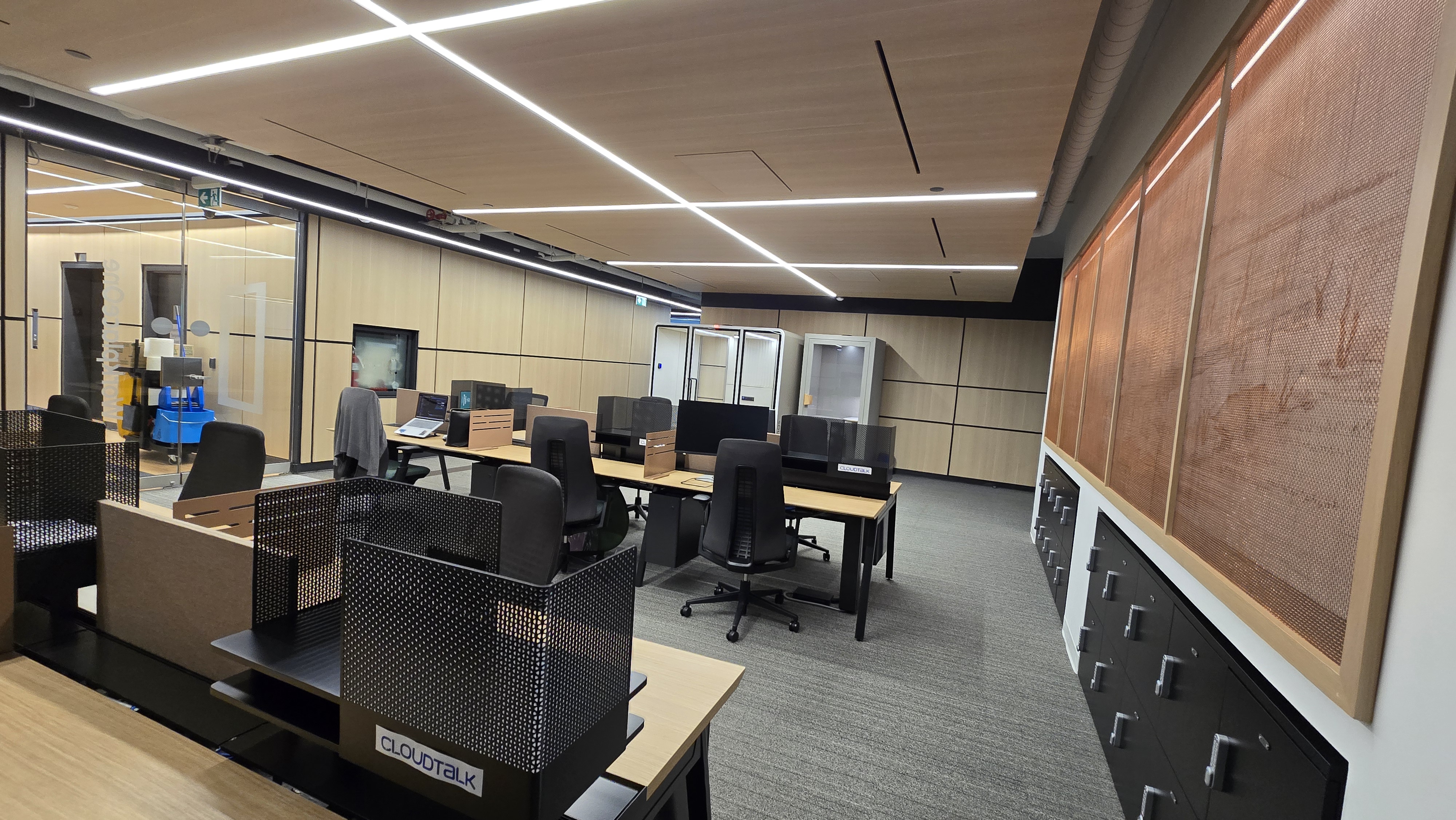
As employees move between remote and office work, companies may no longer need every employee to have a permanently assigned private office. Instead, businesses can create a combination of open workstations, meeting rooms, collaboration areas, and private pods.
This approach allows office space to serve multiple purposes.
For example, an employee might use an open workstation for routine tasks, reserve a phone booth for a confidential call, and use a larger meeting pod when collaborating with colleagues.
The pod therefore becomes part of a broader workplace strategy rather than simply another piece of office furniture.
How to Choose the Right Office Booth Pod
Before selecting a product, consider six questions.
1. What Will Happen Inside the Pod?
Determine whether the primary purpose is phone calls, video meetings, focused work, interviews, or group meetings.
2. How Many People Will Use It?
Choose a single-person, two-person, or larger configuration according to actual demand.
3. Where Will It Be Installed?
Measure the available floor area, ceiling height, access route, and nearby circulation space.
4. How Often Will It Be Used?
A pod used continuously throughout the day should prioritize ventilation, lighting, ergonomics, and acoustic performance.
5. What Technology Is Required?
Consider laptops, monitors, cameras, microphones, power outlets, USB charging, and cable management.
6. Can the Pod Be Relocated Later?
For companies expecting future office changes, modular and movable designs can provide additional flexibility.
Are Office Booth Pods Worth the Investment?
For many businesses, the value of an office booth pod goes beyond noise reduction.
The right pod can help create additional private space without the cost and disruption associated with permanent construction. It can also allow companies to make better use of existing office areas.
The business case ultimately depends on factors such as employee usage, office size, construction costs, available meeting rooms, and the level of privacy required.
Instead of asking whether every company needs an office pod, a better question is:
What activities in your workplace currently lack an appropriate private space?
If employees regularly struggle to find somewhere quiet for calls, interviews, focused work, or confidential conversations, an office pod may provide a practical solution.
Frequently Asked Questions
Are office booth pods completely soundproof?
No. Most office pods are designed to reduce noise and improve acoustic privacy rather than eliminate every sound completely.
Can an office pod be used for video calls?
Yes. Private booths can be particularly useful for video meetings because they reduce visual and acoustic distractions and provide a more controlled environment.
Are work pods office solutions suitable for open-plan workplaces?
Yes. They can complement open-plan offices by providing enclosed spaces for activities that require concentration or privacy.
Do office pods require permanent construction?
Many modular office pods are designed to be installed inside existing buildings without permanent room construction. Installation requirements vary by model.
Can office pods be moved?
Many modular designs can be disassembled and relocated. Businesses should confirm relocation requirements with the manufacturer before purchasing.
Final Thoughts
An office booth pod can provide a flexible way to introduce private, productive spaces into modern workplaces. Instead of redesigning an entire office, companies can add targeted spaces for phone calls, video conferences, focused work, interviews, and small meetings.
The best solution depends on the number of users, intended activities, available floor space, acoustic requirements, ventilation, technology needs, and future workplace plans.
For businesses exploring pod office space or work pods for office environments, the goal should not simply be to purchase an attractive enclosed room. The goal is to create a workspace that employees will actually use—and that continues to provide value as the workplace evolves.